
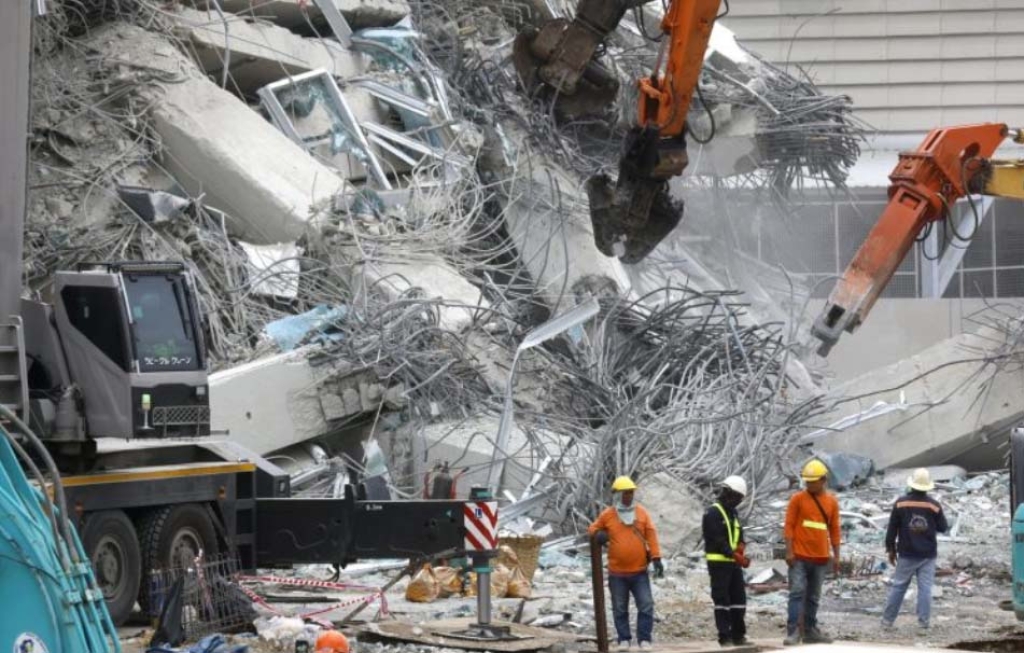
On Wednesday, April 2, Myanmar authorities announced a three-week ceasefire to facilitate rescue and relief operations. However, despite this, clashes reportedly continued between government forces and rebel groups, with overnight military operations taking place in the Sagaing region.
The latest official figures report over 3,000 deaths and more than 4,500 injured due to the earthquake. In response, the Catholic Church, through its local Caritas agency—Karuna Myanmar Social Services (KMSS)—immediately mobilized to provide relief.
How is the Catholic Church helping those affected?
Thanks to its vast network of parishes and dioceses, the Catholic Church is uniquely positioned to support relief efforts. “Right after the earthquake, I issued a statement urging all parties in conflict to declare a ceasefire to allow unhindered humanitarian access,” said Cardinal Bo.
In response, the Church launched an emergency response protocol called MERCI – Myanmar Earthquake Response Church Initiative. The Diocese of Mandalay will be the first to receive aid, followed by others impacted. The relief will follow strict humanitarian principles, including:
- Community outreach, using local networks to spread information and emotional support, and using church structures as temporary shelters for displaced people;
- Food distribution and medical care, provided through Church-run clinics or mobile units;
- Psychological and spiritual support, led by Catholic religious sisters, offering comfort and resilience in the face of despair.
KMSS will coordinate these efforts across dioceses and continue promoting peacebuilding in conflict areas.
What are the most urgent needs?
“Food, water—and more water—shelter, and medicine for hundreds wounded in the quake. People need others to be present, to carry them, to cry with them. A traumatized nation has been wounded again. They need tears, and a shoulder to cry on, until the floodgates of despair have dried.”
Is international humanitarian aid able to enter the country?
“We believe that human vulnerability can bring people together and eliminate hatred. I have urged everyone to respect the ceasefire during this urgent humanitarian crisis. Remember—Myanmar already has more than three million internally displaced people due to conflict. The earthquake has disrupted the lives of another million. Altogether, nearly 15 million people have been directly or indirectly affected.
In times of great disaster, compassion becomes our shared religion. Yes, there have been violations of the ceasefire. But during the recent ASEAN meeting, some agreements were reached. We pray they hold.”
What is the military junta doing to help?
“They have appealed to the international community for assistance. They have allowed many countries to stand by the people—this is a positive step. It seems they have accepted a ceasefire, at least for a month. These are good signs.
But we call for a long-term solution grounded in justice, to ensure the full recovery of the population. This devastating natural disaster could become a turning point for peace and reconciliation in Myanmar.”
What is your message today?
“Yes, I called for a ceasefire to allow for the unimpeded delivery of humanitarian aid. I am glad that there are signs of progress. Today, I renew my appeal: Give peace a chance. Our people have suffered so much. Peace is possible—peace is the only way.”
Patrizia Caiffa
Source: SIR
